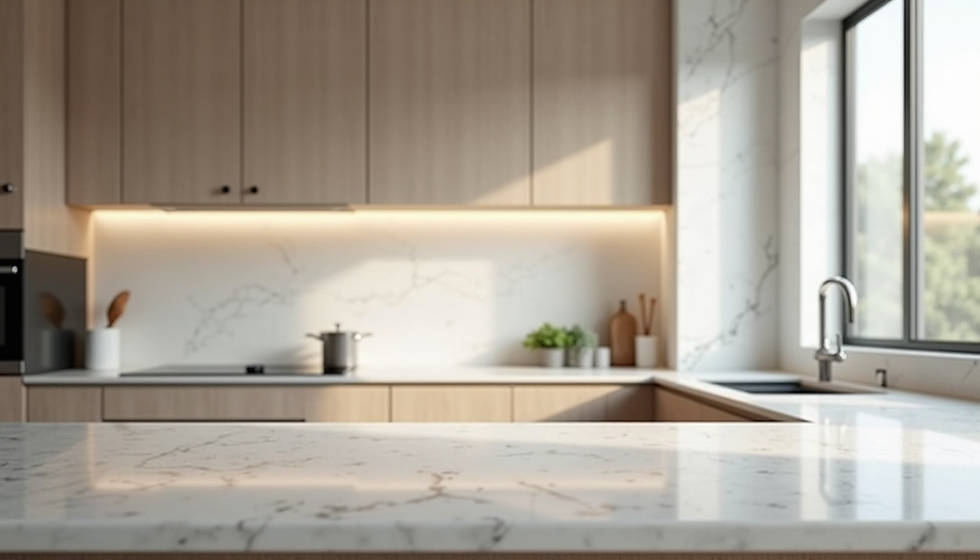
Essential Tips for Selecting Kitchen Cabinets in Multifamily Rental Units
- 3 days ago
- 3 min read
Choosing the right kitchen cabinets for multifamily rental units can be a challenge. These cabinets must balance durability, style, and cost while appealing to a wide range of tenants. The kitchen often serves as the heart of the home, so selecting cabinets that withstand heavy use and maintain their appearance over time is crucial. This guide offers practical advice to help property owners and managers make smart decisions when selecting kitchen cabinets for rental properties.
Focus on Durability and Maintenance
Rental kitchens face frequent use and occasional neglect. Cabinets need to resist scratches, dents, and moisture damage. Materials like thermofoil, laminate, and painted MDF offer good durability at reasonable prices. Solid wood cabinets, while attractive, may not hold up as well under heavy use and can be costly to repair.
Look for cabinets with:
Hard-wearing finishes that resist stains and scratches
Moisture-resistant surfaces to prevent warping in humid conditions
Easy-to-clean materials that reduce maintenance time and costs
For example, thermofoil cabinets have a smooth, sealed surface that cleans easily and resists moisture, making them a popular choice for rental units.
Choose a Timeless Style
While it’s tempting to pick trendy designs, rental units benefit from classic, neutral styles that appeal to most tenants. Simple shaker-style doors or flat panels in white, gray, or natural wood tones create a clean, modern look without overwhelming the space.
Avoid overly ornate or highly customized cabinets that may not suit every tenant’s taste. Neutral colors and straightforward designs also make it easier to update the kitchen later without a full remodel.
Prioritize Functionality and Storage
Tenants appreciate kitchens that offer practical storage solutions. Cabinets should maximize space and provide easy access to essentials. Consider:
Deep drawers for pots and pans
Adjustable shelves to accommodate different items
Pull-out organizers for spices or cleaning supplies
Adding these features improves tenant satisfaction and reduces complaints about cluttered or inefficient kitchens.
Balance Cost and Quality
Budget constraints are common in multifamily housing projects. However, choosing the cheapest cabinets can lead to frequent repairs and replacements, increasing long-term costs. Instead, aim for cabinets that offer the best value by combining quality materials with affordable pricing.
For instance, mid-range laminate cabinets often provide a good balance of durability and cost. Investing slightly more upfront can reduce maintenance expenses and keep units attractive to renters.
Consider Installation and Replacement Ease
Rental units may require cabinet repairs or replacements more often than owner-occupied homes. Select cabinets that are easy to install and replace to minimize downtime between tenants.
Modular cabinet systems with standard sizes simplify repairs and upgrades. Avoid custom-built cabinets that require specialized labor or long lead times.
Think About Environmental Impact
Sustainability is becoming increasingly important to tenants and property managers. Look for cabinets made from eco-friendly materials such as:
Formaldehyde-free MDF
Recycled wood products
Low-VOC finishes
These options reduce environmental impact and improve indoor air quality, which can be a selling point for environmentally conscious renters.
Use Hardware to Enhance Durability and Style
Cabinet hardware like handles and hinges affects both function and appearance. Choose hardware made from sturdy materials such as stainless steel or brushed nickel to withstand frequent use.
Simple, modern hardware styles complement neutral cabinet designs and make kitchens look updated without extra cost. Soft-close hinges and drawer slides also improve tenant experience by reducing noise and wear.
Plan for Consistency Across Units
Maintaining a consistent look throughout all rental units helps streamline maintenance and creates a cohesive property appearance. Use the same cabinet style and finish in every kitchen to simplify repairs and replacements.
Consistency also helps build a recognizable brand for your rental property, which can attract tenants looking for reliable, well-maintained homes.
Summary
Selecting kitchen cabinets for multifamily rental units requires balancing durability, style, functionality, and cost. Focus on materials that resist wear and moisture, choose timeless designs, and prioritize practical storage. Investing in quality cabinets and hardware reduces maintenance and keeps tenants satisfied. Finally, consider environmental factors and maintain consistency across units to support long-term property value.