Essential Guide to CMHC-Aligned Renovation Materials for Smart Investors
- 28 minutes ago
- 3 min read
Investors looking to renovate properties often face a maze of choices when it comes to materials. Choosing the right renovation materials can impact not only the quality and durability of the property but also financing options and resale value. One key factor that savvy investors should understand is the role of CMHC-aligned renovation materials. These materials meet specific standards set by the Canada Mortgage and Housing Corporation (CMHC), which can influence mortgage approvals and insurance eligibility. This guide breaks down what CMHC-aligned renovation materials are, why they matter, and how investors can make informed decisions to maximize their returns.

What Are CMHC-Aligned Renovation Materials?
CMHC-aligned renovation materials are products that comply with the standards and guidelines established by the Canada Mortgage and Housing Corporation. These standards focus on safety, energy efficiency, durability, and environmental impact. When a renovation uses CMHC-approved materials, it signals to lenders and insurers that the property meets higher quality benchmarks.
Examples of CMHC-aligned materials include:
Energy-efficient windows and doors
Insulation products with high R-values
Low-VOC (volatile organic compounds) paints and finishes
Durable roofing materials that meet weather resistance standards
Water-efficient plumbing fixtures
Using these materials can help investors qualify for CMHC mortgage insurance, which often leads to better financing terms.
Why Investors Should Prioritize CMHC-Aligned Materials
Investors renovating properties for resale or rental income need to think beyond aesthetics. CMHC-aligned materials offer several advantages:
Improved Financing Options
Properties renovated with CMHC-approved materials are more likely to qualify for mortgage insurance. This insurance reduces lender risk, which can translate into lower interest rates or higher loan-to-value ratios.
Higher Property Value
Homes with energy-efficient and durable materials tend to appraise higher. Buyers and tenants increasingly value sustainability and long-term savings on utilities.
Reduced Maintenance Costs
Durable materials reduce the frequency and cost of repairs, improving the net operating income for rental properties.
Compliance with Building Codes
CMHC standards often align with or exceed local building codes, reducing the risk of costly compliance issues during inspections.
How to Identify CMHC-Aligned Renovation Materials
Finding the right materials requires research and verification. Here are practical steps investors can take:
Check CMHC Resources
CMHC publishes guidelines and lists of recommended products. Reviewing these resources helps investors identify approved materials.
Consult with Contractors Familiar with CMHC Standards
Experienced contractors know which products meet CMHC criteria and can advise on sourcing and installation.
Look for Certification Labels
Many products carry certifications such as ENERGY STAR, GREENGUARD, or CSA, which align with CMHC requirements.
Request Documentation
When purchasing materials, ask suppliers for product data sheets and certification documents to verify compliance.
Practical Examples of CMHC-Aligned Renovations
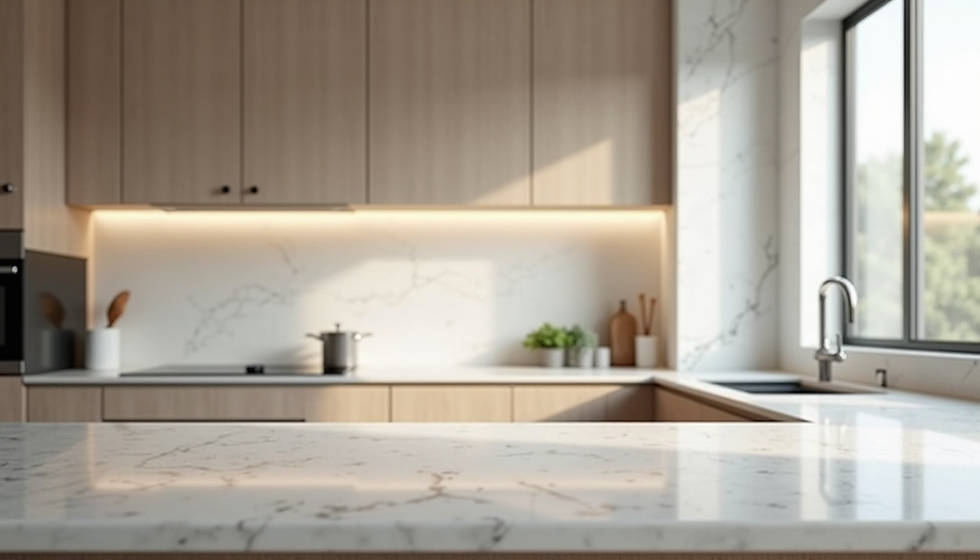
Consider a rental property in Toronto undergoing a kitchen and bathroom upgrade. The investor chooses:
ENERGY STAR-rated appliances
Low-VOC paint for healthier indoor air quality
WaterSense-labeled faucets and toilets to reduce water consumption
High-efficiency LED lighting
These choices not only improve tenant satisfaction but also help the property qualify for CMHC mortgage insurance, making financing easier and potentially more affordable.
Another example is a detached home in Vancouver where the investor replaces old windows with triple-pane, thermally broken frames. This upgrade improves energy efficiency, reduces heating costs, and aligns with CMHC’s energy performance standards. The result is a more attractive property for buyers and lenders alike.

Tips for Investors When Choosing Renovation Materials
Balance Cost and Quality
While CMHC-aligned materials may have a higher upfront cost, they often save money over time through energy savings and lower maintenance.
Plan for Long-Term Value
Focus on materials that improve the property’s durability and appeal to eco-conscious buyers or tenants.
Stay Updated on CMHC Guidelines
CMHC periodically updates its standards. Keeping informed ensures your renovations remain compliant.
Work with Knowledgeable Professionals
Architects, contractors, and suppliers familiar with CMHC standards can streamline the renovation process and avoid costly mistakes.